
Arctic
sought-after activities for expedition travelers.
Natural phenomena & landscapes
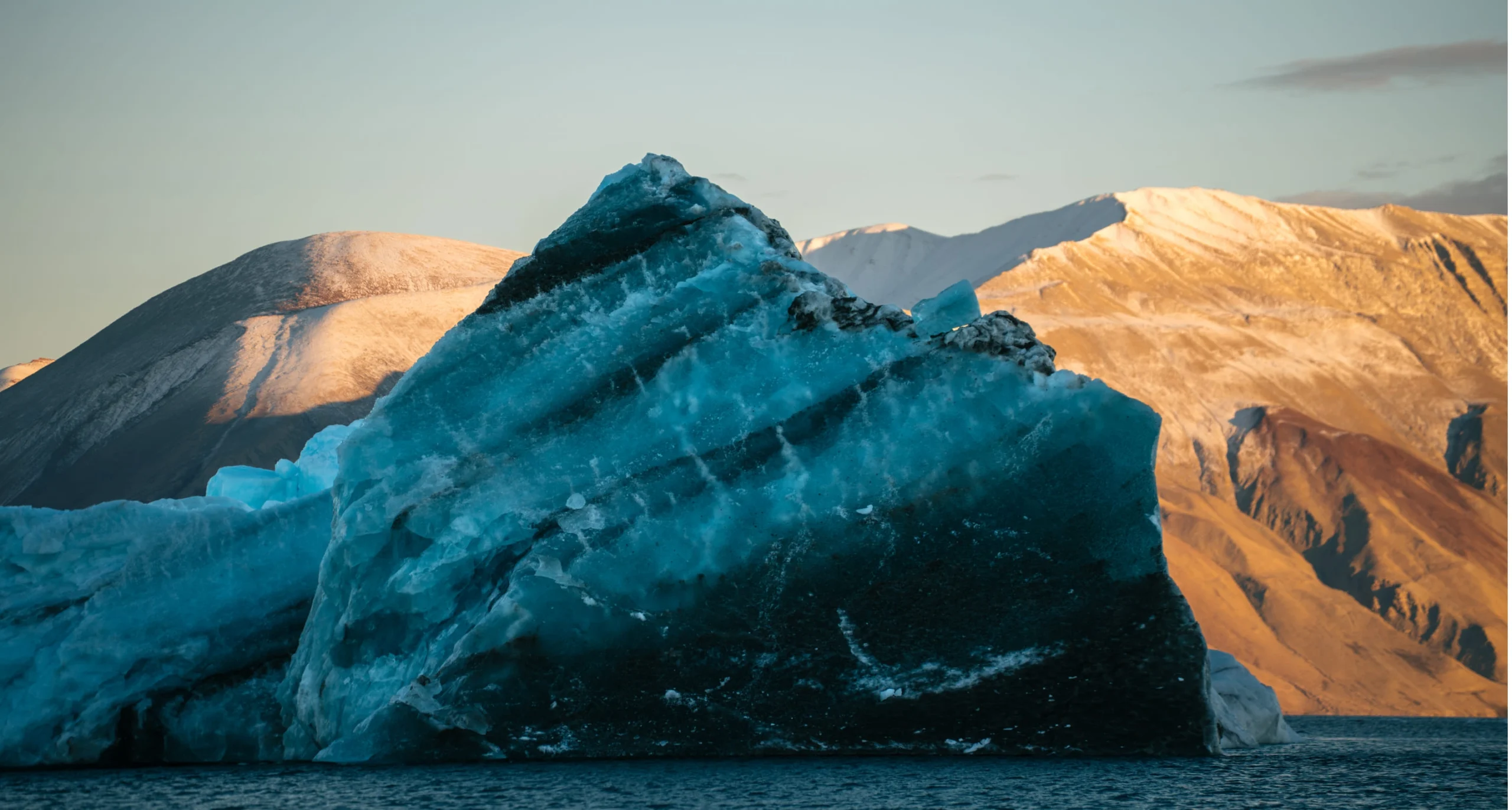
Unique wildlife and pristine landscapes of transcendent beauty will often spring to mind when we think about the Arctic and Fjords. However, the true vastness here is one of the most underestimated aspects of Earth’s northernmost region. Centered on the North Pole, the Arctic Circle encompasses a mighty eight nations. Canada, Denmark, Finland, Iceland, Norway, Sweden and the USA.
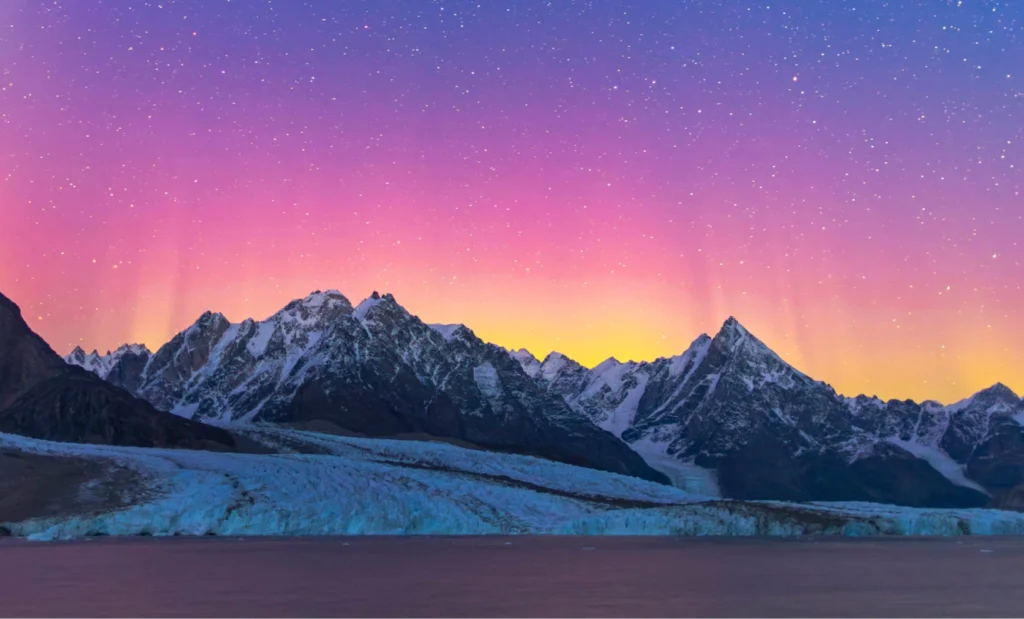
The Northern Lights
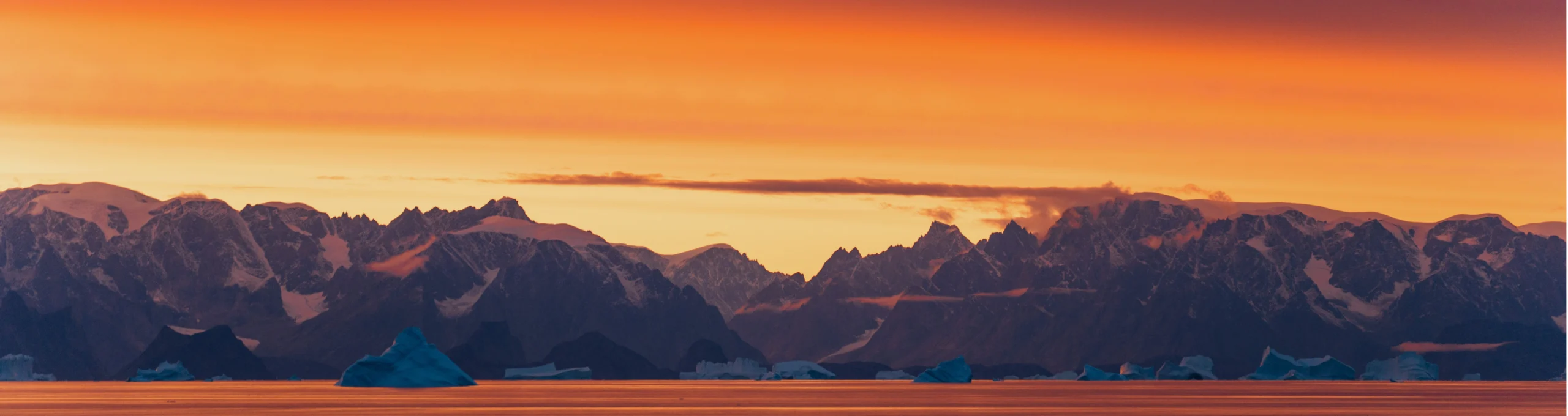
Mighty glaciers, soaring icebergs and giant ice flows, are just some of the bewildering sights you’ll see. The coastline varies from fjordlands to icy archipelagos, to coastal tundra and narrow inlets, with endless horizons or mountain ranges behind. And you couldn’t be in a better place to witness the Northern Lights.
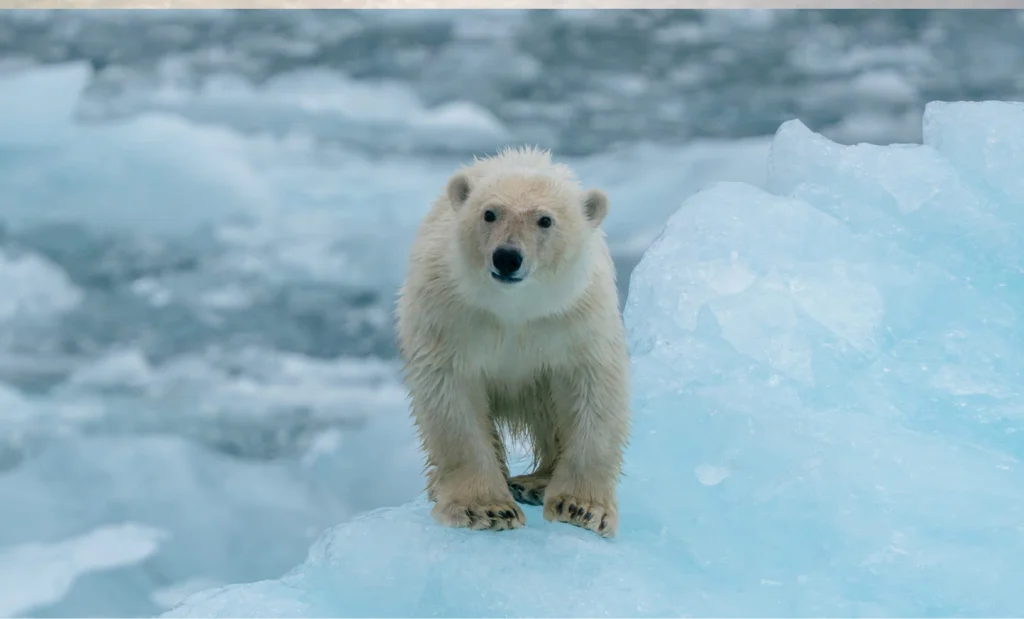
Wildlife & Nature
Each species you encounter has especially adapted to the harsh conditions here – you’ll seem them nowhere else and they are often the highlight of a polar trip. Watch polar bears hunting; walrus dozing in the sun; narwhals fishing; arctic foxes camouflaged against the snow and beluga whales breaching, whilst above you, myriads of seabirds fill the sky.
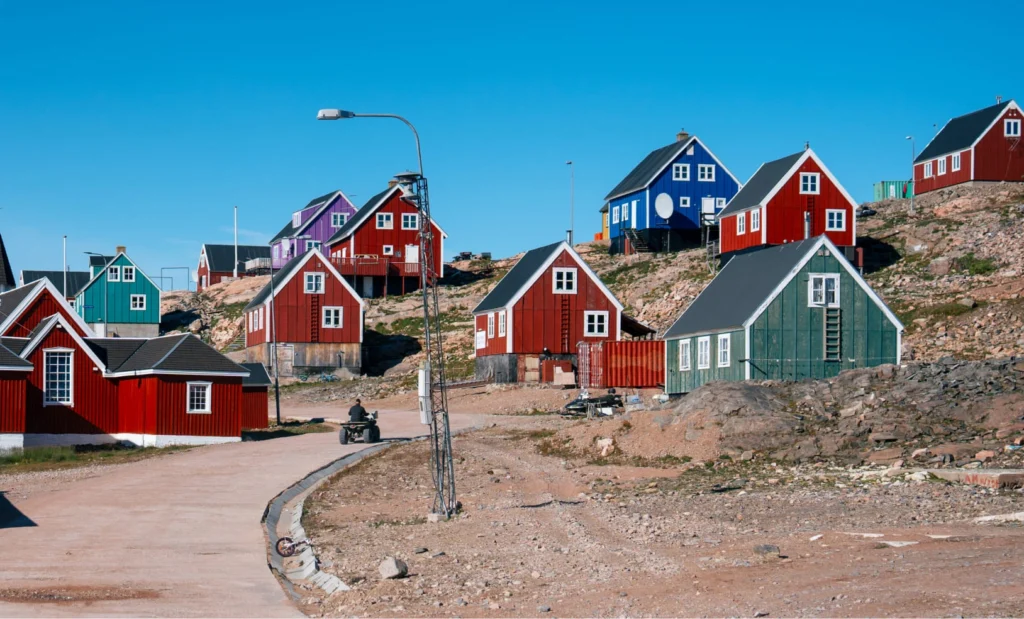
Culture & History
Scattered throughout the region are tiny communities, historic trading posts, old whaling stations and expedition base camps. Indigenous cultures, some descended from the Vikings, are all diverse in their ways of life, languages and beliefs, but all live off the surrounding land and sea. There’s a rich tradition of storytelling, with practices and legends passed down the generations.
Explore. Discover. Experience Journey into The Unknown.
Essential
Travel Information
Visa Requirements
Visa requirements for Indian citizens traveling to the Arctic depend on the specific region, as there is no single Arctic visa. For the Svalbard archipelago, which is part of Norway, a visa is not required due to the. However, if you are traveling via mainland Norway, a Schengen visa is necessary for the transit portion of your trip.
Major Airports
Major airports for Greenland, Iceland, Norway, and Svalbard cruise ports include Longyearbyen Airport (LYR) for Svalbard (via Oslo or Tromsø), Keflavík International Airport (KEF) near Reykjavík for Iceland, and Oslo Airport (OSL) for mainland Norway for specific embarkation points. Other international hubs like Copenhagen and Tromsø also serve as major gateways for connecting flights to these Arctic destinations.
Best time
to visit Arctic
May to June (Spring)
As winter loosens its grip, the Arctic comes alive with melting sea ice, returning seabirds and migrating whales. The tundra begins to bloom, offering stunning snow-covered landscapes, abundant wildlife and excellent opportunities for photography.
June to August (Summer)
Wildlife is at its most active as sea ice retreats, creating ideal conditions for Arctic exploration. This is the best time to spot polar bears, walruses, whales, seabirds, and Arctic foxes, while the Midnight Sun provides nearly 24 hours of daylight for exceptional wildlife viewing and photography.
September (Early Autumn)
The Arctic tundra transforms into vibrant shades of red, orange, and gold as autumn arrives. Wildlife remains active, with whales, reindeer, musk oxen and migratory birds frequently seen, while the return of dark nights creates ideal conditions for witnessing the spectacular Northern Lights.
October to April (Winter)
The Arctic enters its long, dark winter, with freezing temperatures, extensive sea ice and limited daylight. While conditions are unsuitable for most expedition cruises, this period offers exceptional opportunities for Northern Lights viewing in suitable Arctic destinations, along with dramatic snow-covered landscapes and authentic winter experiences.
We may use information collected from our cookies to identify user behavior and to serve content and offers based on your profile to the extent legally permissible in certain jurisdictions.